
Can Mental Health Counselors Diagnose? What You Need to Know
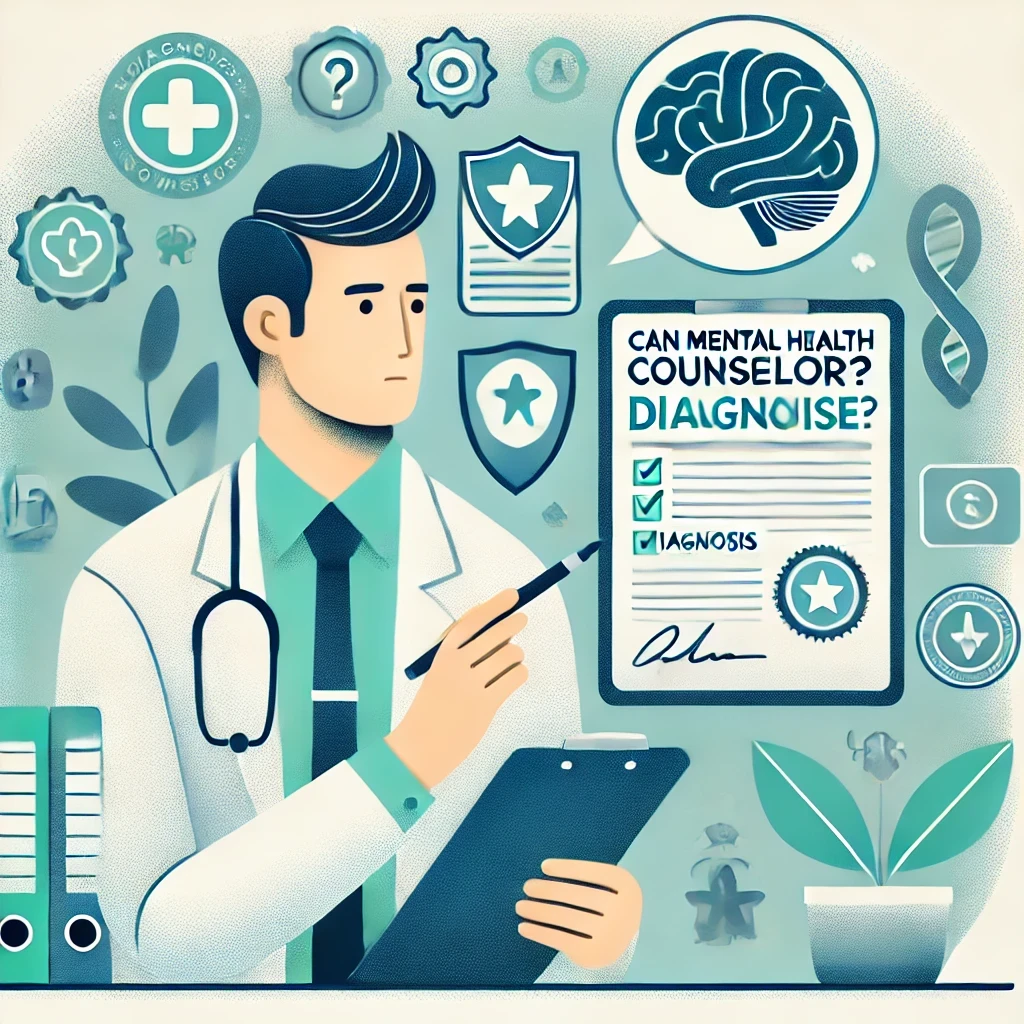
Many people seeking mental health support ask an important question early on: can mental health counselors diagnose mental health conditions? The answer depends on the counselor’s qualifications, their professional role, and the country or healthcare system they work within.
Understanding who can diagnose mental health conditions helps individuals choose the right type of support and avoid confusion during the care process.
What Is a Mental Health Counselor?
A mental health counselor is a trained professional who supports individuals with emotional, psychological and behavioural difficulties. Counselors often help people manage anxiety, depression, stress, trauma, relationship issues and life transitions through talking therapies and structured interventions.
Mental health counselors may work in private practice, community services, charities, schools or healthcare organisations. Their primary role is to provide assessment, counselling and ongoing therapeutic support.
Can Mental Health Counselors Diagnose Mental Health Conditions?
In many cases, mental health counselors do not provide formal medical diagnoses. While counselors are trained to assess symptoms and understand mental health conditions, the authority to make an official diagnosis often depends on professional regulation and scope of practice.
In the UK, formal diagnoses are typically made by:
- Psychiatrists
- Clinical psychologists
- General practitioners (GPs)
- Other medically or clinically regulated professionals
Mental health counselors may identify symptoms, discuss possible conditions and work using diagnostic frameworks, but they usually do not issue an official clinical diagnosis in the same way a psychiatrist or psychologist would.
What Can Mental Health Counselors Do Instead?
Although counselors may not always diagnose, they still play a crucial role in mental health care.
Mental health counselors can:
- Conduct initial mental health assessments
- Identify patterns of emotional or behavioural distress
- Screen for common conditions such as anxiety or depression
- Provide therapeutic support based on presenting symptoms
- Help clients understand their experiences
- Refer clients to other professionals when a diagnosis is needed
For many people, counseling is the first step in understanding their mental health concerns.
Diagnosis vs Assessment: What’s the Difference?
It’s important to distinguish between diagnosis and assessment.
A diagnosis is a formal clinical determination based on diagnostic criteria, often required for medication, insurance, or specialist treatment.
An assessment is a broader evaluation of symptoms, functioning and emotional wellbeing. Mental health counselors are highly skilled in assessment and use this information to guide therapy and support.
Even without a formal diagnosis, many people benefit significantly from counseling focused on their specific difficulties and goals.
Can Mental Health Counselors Diagnose in Other Countries?
Rules vary by country and professional regulation.
In some healthcare systems, licensed professional counselors or mental health therapists may be allowed to diagnose certain conditions, particularly for insurance or treatment planning purposes. In other systems, diagnosis remains strictly within medical or clinical psychology roles.
If diagnosis is important for your care, it’s always best to ask the professional directly about their qualifications and scope of practice.
When Should You Seek a Formal Diagnosis?
You may need a formal mental health diagnosis if:
- Medication is being considered
- You need documentation for work, education or benefits
- Symptoms are severe or complex
- Multiple conditions may be present
- You are being referred to specialist services
In these cases, a counselor may work alongside a GP, psychiatrist or psychologist as part of a coordinated care approach.
In the UK, formal mental health diagnoses are usually made by medical or clinically regulated professionals, as outlined in NHS guidance on mental health assessment and diagnosis.
Is Counseling Still Helpful Without a Diagnosis?
Yes. Many people benefit from mental health counseling without ever receiving a formal diagnosis.
Counseling focuses on:
- Coping strategies
- Emotional regulation
- Understanding thoughts and behaviours
- Improving relationships
- Reducing distress
- Building resilience
For some, therapy addresses the root causes of difficulties rather than fitting experiences into diagnostic labels.
Understanding Whether Mental Health Counselors Can Diagnose
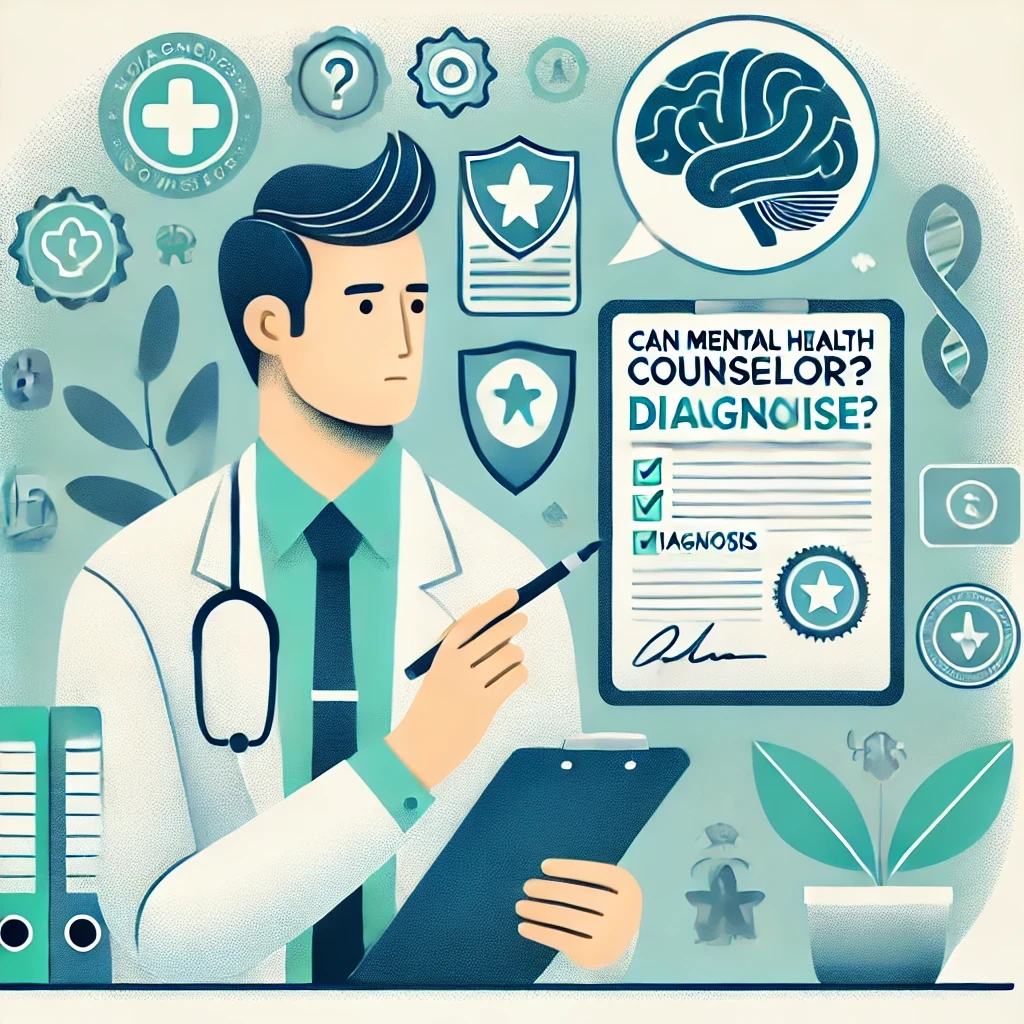
So, can mental health counselors diagnose mental health conditions?
In most cases, they do not provide formal medical diagnoses, but they play a vital role in assessment, support and treatment. Mental health counselors help people understand their experiences, manage symptoms and access further care when needed.
If you’re unsure what type of support you need, starting with a qualified mental health counselor can be a valuable and accessible first step toward better wellbeing.
Go To Hearing Voices CYMRU