
Why Good Mental Health Matters in Everyday Life
Good mental health is not simply the absence of illness. It is an active state of psychological and emotional wellbeing that allows people to cope with the ordinary and extraordinary challenges of life, build lawyer for mental health patients, contribute to their communities, and function in ways that feel fulfilling and purposeful.
The World Health Organisation defines mental health as a state of wellbeing in which a person realises their own abilities, can cope with the normal stresses of life, can work productively, and is able to make a contribution to their Black History Month and mental health. When this foundation is solid, the benefits extend across every area of a person’s life, from their physical health and professional performance to their relationships and sense of meaning.
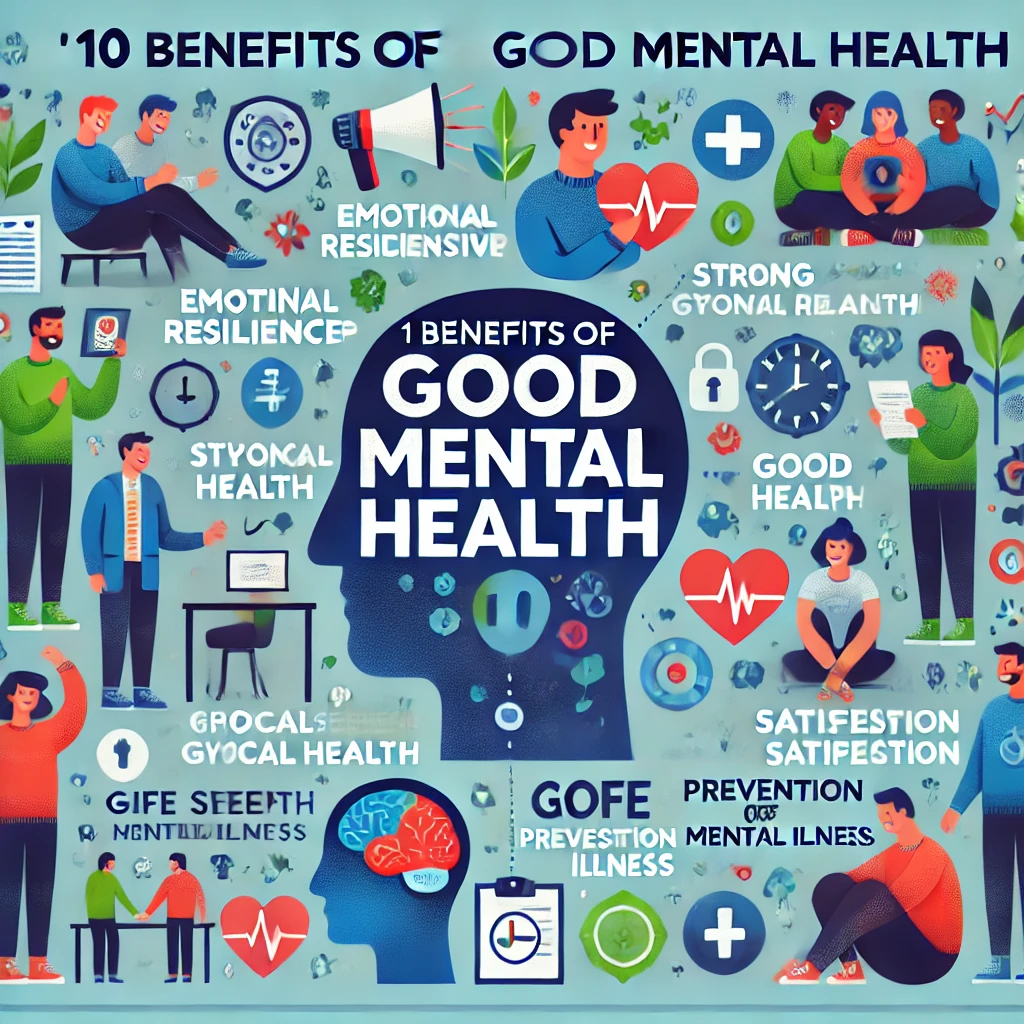
10 Key Benefits of Good Mental Health
1. Better Physical Health
The connection between mental and physical health is well established in medical research. Good best mental health marketing agencies is associated with lower levels of the stress hormone cortisol, reduced systemic inflammation, stronger immune function, lower blood pressure, and a reduced risk of cardiovascular disease. A major review published in Psychological Bulletin found that positive psychological states were independently associated with better long-term health outcomes across multiple disease categories. People with positive mental health are also more likely to maintain healthy behaviours such as boxing for mental health, balanced nutrition, and consistent sleep, all of which compound the physical benefits further over time.
2. Greater Resilience Under Pressure
Psychological resilience is the ability to adapt constructively to adversity, setbacks, and stress. People with good mental health tend to have stronger coping mechanisms, a more flexible response to challenges, and a faster recovery time after difficult events. They are less likely to be overwhelmed by stressors and more able to find pathways through difficulties rather than becoming stuck in them. Resilience is not a fixed trait; it grows through experience, supportive relationships, and the development of practical coping skills.
3. Stronger and More Satisfying Relationships
Emotional regulation, empathy, and secure attachment all develop more readily when a person’s mental health is stable. This produces relationships that are more communicative, more reciprocal, and more resilient to conflict. Good mental health helps people set healthy boundaries, express their needs clearly, and respond to others with patience rather than reactivity. Research consistently shows that the quality of close relationships is one of the strongest predictors of both life satisfaction and longevity.
4. Improved Productivity and Cognitive Performance
Mental health has a direct impact on cognitive function. When the mind is not burdened by chronic anxiety, depression, or unresolved stress, attention, working memory, decision-making, and problem-solving all operate more effectively. People with good mental health tend to be more engaged at work, more creative in their thinking, and better able to sustain concentration on complex tasks. The economic cost of poor mental health to UK employers through lost productivity and absenteeism is estimated at over 50 billion pounds per year, which reflects the reverse of this benefit at scale.
5. More Meaningful Social Connection
Social connection is one of the strongest predictors of psychological wellbeing, and the relationship works in both directions. Good mental health makes it easier to seek out and maintain social relationships, and those relationships in turn reinforce mental health. People who are psychologically well tend to have broader social networks, invest more in friendships and community ties, and experience less loneliness and isolation. Loneliness, by contrast, is associated with outcomes comparable in severity to smoking fifteen cigarettes a day, according to research by Julianne Holt-Lunstad.
6. A Stronger Sense of Purpose and Identity
Psychological wellbeing is closely linked to a clear and stable sense of self and purpose. When mental health is good, people are more able to identify what matters to them, pursue goals that align with their values, and find meaning in their daily activities. This sense of purpose is associated with better life satisfaction, greater motivation, and a more optimistic orientation toward the future. Viktor Frankl’s logotherapy, developed from his experience in concentration camps, proposed that the search for meaning is the primary human motivational force, and this insight has been supported by decades of subsequent psychological research.
7. Healthier Emotional Regulation
Emotional regulation is the ability to manage and respond to emotional experiences in a constructive way. Good mental health supports a wide emotional range without being overwhelmed by any single feeling. It allows people to sit with discomfort, process difficult emotions, and return to a stable baseline without relying on avoidance, substance use, or other unhealthy coping strategies. Dialectical behaviour therapy (DBT) and acceptance and commitment therapy (ACT) have both identified decompressing for mental health as a core skill that can be developed and strengthened with practice.
8. Reduced Risk of Mental Health Conditions
Maintaining good mental health through protective factors such as strong social support, 30-day mental health challenge, quality sleep, and access to how to market mental health services when needed can reduce the risk of developing clinical psychiatric evaluations costs. While mental illness is never fully preventable, a strong psychological baseline acts as a buffer against the cumulative effects of stress and adversity that often precede episodes of depression, anxiety, or burnout. Public mental health investment in prevention is estimated to save ten pounds for every one pound spent, according to NHS England analysis.
9. Greater Life Satisfaction and Positive Affect
Research in positive psychology, associated with scholars like Martin Seligman, Barbara Fredrickson, and Sonja Lyubomirsky, consistently shows that subjective wellbeing is strongly linked to good mental health. Fredrickson’s broaden-and-build theory proposes that positive emotions do not just feel good; they actively expand a person’s awareness, attention, and range of possible actions, building psychological and social resources over time. People who invest in their psychological wellbeing report higher levels of happiness, greater gratitude, and a more optimistic view of their circumstances even when those circumstances are genuinely challenging.
10. Better Recovery from Illness and Adversity
People with good mental health recover more quickly from both physical illness and psychological setbacks. This is partly because they are more likely to engage with healthcare, follow treatment recommendations, and use the support networks available to them. It is also because psychological flexibility, a core component of good mental health, enables people to adapt to changed circumstances and find new ways forward when original plans are disrupted. Studies on post-traumatic growth show that many people report stronger relationships, renewed purpose, and deepened appreciation for life following adversity when they have the psychological resources to process and integrate difficult experiences.
How to Protect and Strengthen Your Mental Health
Good mental health is not a fixed state. It fluctuates throughout life in response to relationships, work, health, bereavement, financial pressure, and countless other factors. Protecting it is an ongoing practice rather than a destination reached once and maintained automatically.
Key evidence-based strategies include maintaining regular physical activity, prioritising sleep quality and consistency, nurturing close relationships, limiting alcohol and substance use, spending time in nature, engaging in creative or meaningful activities, practising mindfulness or relaxation techniques, and reaching out for professional support when difficulties persist or intensify. Social connection, particularly with people who have shared experiences, is consistently among the most powerful protective factors available.
Frequently Asked Questions
What is the difference between mental health and mental illness?
Mental health refers to a spectrum of psychological wellbeing that everyone has, just as everyone has physical health. Mental illness refers to a diagnosed condition that significantly impairs a person’s functioning. The two concepts are related but distinct. A person can have good mental health while living with a diagnosed mental health condition, and a person without any diagnosis can have poor mental health. The goal of mental health promotion is to improve wellbeing across the whole population, not only among those with clinical diagnoses.
How quickly can mental health improve with the right support?
It depends on the individual, the nature of the difficulties, and the type of support accessed. Some people notice positive shifts within weeks of starting therapy, making lifestyle changes, or connecting with peer support. Others take longer, particularly when dealing with complex or longstanding difficulties. What matters most is starting, staying consistent, and being patient with the process. Small improvements in mental health can quickly produce positive ripple effects across other areas of life.
Supporting Your Mental Health With Peer Community
Peer support is one of the most consistently cited benefits in mental health recovery research. Connecting with others who understand your experience, sharing coping strategies, and building community around shared values all contribute directly to stronger mental health. Hearing Voices Cymru offers peer support groups and a welcoming community for people in Wales navigating unusual or distressing mental health experiences. We believe that lived experience is a source of wisdom and that no one should have to manage their mental health alone.