
A 30 day mental health challenge is a simple, structured way to improve wellbeing through small daily actions. Instead of overwhelming changes, this challenge focuses on consistency, self-awareness and compassion. Each day introduces a gentle activity designed to support emotional balance, reduce stress and build healthier habits over time.
This challenge is suitable for adults, young people and anyone looking to take practical steps toward better mental health. Activities can be adapted to your energy levels and personal circumstances.

30 Day Mental Health Challenge Table
Week 1: Awareness and Grounding
| Day | Focus | Daily Mental Health Activity |
|---|---|---|
| Day 1 | Check-in | Take five minutes to notice how you feel emotionally and physically |
| Day 2 | Gratitude | Write down three things you are grateful for |
| Day 3 | Digital balance | Spend ten minutes away from screens |
| Day 4 | Breathing | Notice your breathing for two minutes without changing it |
| Day 5 | Movement | Go for a short walk outdoors |
| Day 6 | Hydration | Drink water and notice how your body responds |
| Day 7 | Reflection | Reflect on the week without judgement |
Week 2: Emotional Care
| Day | Focus | Daily Mental Health Activity |
|---|---|---|
| Day 8 | Emotional awareness | Name one emotion you felt today |
| Day 9 | Comfort | Do something familiar or comforting |
| Day 10 | Worry release | Write down one worry and set it aside |
| Day 11 | Self-talk | Speak to yourself as you would to a close friend |
| Day 12 | Calm | Listen to calming or grounding music |
| Day 13 | Boundaries | Reduce one unnecessary commitment |
| Day 14 | Rest | Rest without guilt or productivity goals |
Week 3: Connection and Expression
| Day | Focus | Daily Mental Health Activity |
|---|---|---|
| Day 15 | Connection | Reach out to someone you trust |
| Day 16 | Expression | Write freely for five minutes |
| Day 17 | Nature | Spend time outdoors if possible |
| Day 18 | Positivity | Notice one positive interaction |
| Day 19 | Creativity | Do a creative activity of your choice |
| Day 20 | Strengths | Reflect on a personal strength |
| Day 21 | Media balance | Take a break from negative news |
Week 4: Supportive Habits
| Day | Focus | Daily Mental Health Activity |
|---|---|---|
| Day 22 | Routine | Review habits that support your wellbeing |
| Day 23 | Boundaries | Set one gentle personal boundary |
| Day 24 | Assertiveness | Practice saying no without explanation |
| Day 25 | Movement | Move your body in a way that feels safe |
| Day 26 | Nourishment | Prepare a nourishing meal or snack |
| Day 27 | Progress | Reflect on effort rather than outcomes |
| Day 28 | Continuity | Choose one habit to continue after the challenge |
| Day 29 | Self-compassion | Acknowledge your effort |
| Day 30 | Completion | Celebrate finishing in your own way |
30 Day Mental Health Challenge: Small Daily Actions to Improve Wellbeing
A 30 day mental health challenge is a simple, structured way to build healthier habits, improve emotional wellbeing and reconnect with yourself one day at a time. Rather than focusing on drastic changes, this type of challenge encourages small, manageable actions that support mental health, reduce stress and promote self-awareness.
Whether you are feeling overwhelmed, emotionally drained or simply want to take better care of your mental wellbeing, a 30 day mental health challenge offers a gentle starting point. It is suitable for adults, young people, students and anyone looking to improve their daily relationship with their thoughts, emotions and routines.
What Is a 30 Day Mental Health Challenge?
A 30 day mental health challenge is a daily wellbeing plan where each day focuses on one simple mental health activity. These activities are designed to support emotional balance, reduce anxiety, improve mood and encourage healthy coping strategies.
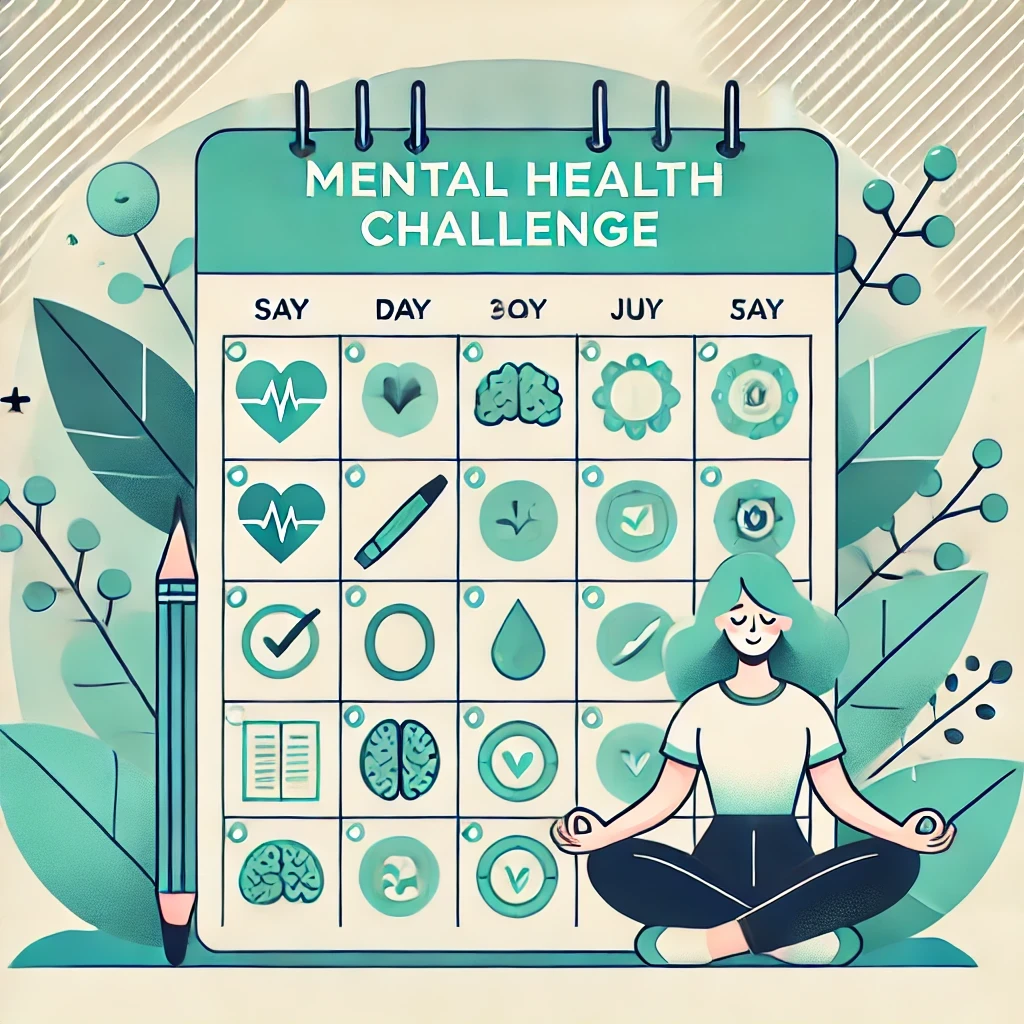
Unlike rigid programmes, a mental health challenge is flexible. You can adapt each activity to suit your needs, energy levels and personal circumstances. The goal is not perfection, but consistency and self-compassion.
Many people find that committing to small daily steps feels more achievable than trying to “fix everything at once.” Over time, these small steps can create meaningful, lasting change.
Benefits of a 30 Day Mental Health Challenge
Taking part in a mental health challenge can offer several benefits:
- Encourages daily self-care and reflection
- Helps reduce stress and mental overload
- Improves awareness of thoughts, emotions and triggers
- Builds healthier routines and coping habits
- Supports emotional resilience and balance
For people in Wales and across the UK, mental health challenges can also be a helpful complement to professional support, peer support groups or therapy. They are not a replacement for clinical care, but they can support wellbeing between appointments or during periods of increased stress.
Is a Mental Health Challenge Right for Everyone?
A 30 day mental health challenge is suitable for many people, but it may not be appropriate during periods of acute distress or crisis. If you are experiencing severe anxiety, depression, suicidal thoughts or emotional crisis, it is important to seek professional support through NHS services, helplines or local mental health organisations.
Mental health challenges work best as a supportive tool alongside professional care, community support or therapy.
For additional support and guidance, you can explore mental health self-help resources from the NHS
Mental Health Support in Wales and the UK
If you are based in Wales or the wider UK and need support, help is available through NHS mental health services, local charities and community organisations. Many people find that combining structured wellbeing activities with professional guidance improves confidence and emotional stability over time.
Clear communication, accessible resources and stigma-free mental health information play a vital role in helping people feel safe seeking support.
A 30 day mental health challenge is not about fixing yourself. It is about creating space for care, awareness and kindness in everyday life. By focusing on small, consistent actions, you give yourself permission to slow down, reflect and build healthier habits at your own pace.
Whether you complete every day or only a few, each step counts. Mental health is not a destination, but an ongoing relationship with yourself. Small daily actions can make that relationship more supportive, balanced and compassionate over time.
Go To Hearing Voices CYMRU