
The benefits of good mental health reach every corner of daily living. A balanced mind supports healthier decisions, stronger connections, and greater long-term success. By investing in mental wellness—through habits, support, or professional guidance—you strengthen not just your emotional world, but your entire life.
How Strong Mental Wellness Improves Daily Life
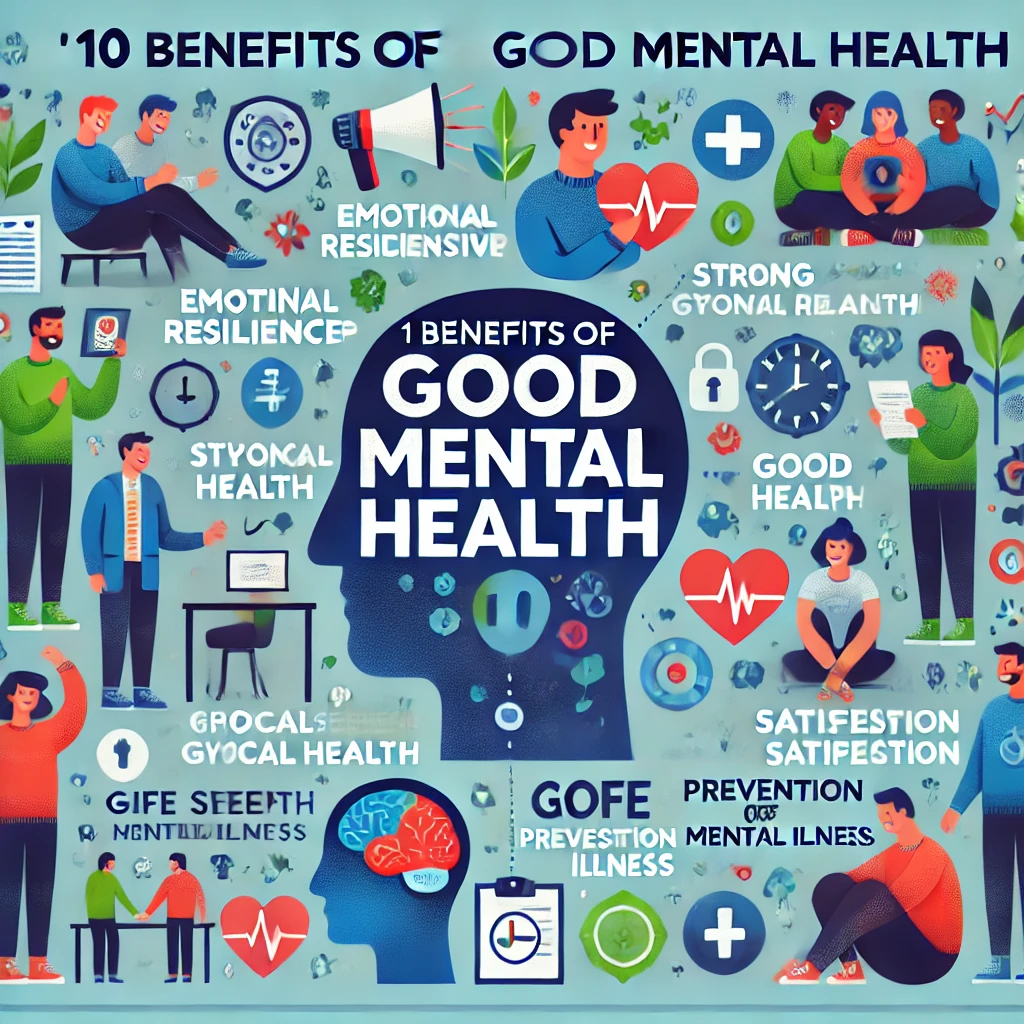
Good mental health is the foundation for a stable, meaningful, and resilient life. When emotional well-being is strong, people think more clearly, connect more deeply, and navigate challenges with confidence. This article explores 10 benefits of good mental health, weaving in real-life logic, psychological insight, and practical relevance. The goal is to show not only what mental wellness offers, but why it shapes nearly every area of life.
1. Greater Emotional Balance
Good mental health strengthens the mind’s ability to regulate emotion. People experience feelings without being overwhelmed by them, allowing frustration, stress, or sadness to pass smoothly rather than spiral.
Semantic triple: Emotional regulation supports mental stability by reducing reactivity.
This balance helps individuals respond thoughtfully instead of impulsively in stressful moments.
2. Improved Stress Management
A healthy mind interprets stress more accurately and recovers more quickly. Instead of viewing challenges as threats, mentally well individuals see them as manageable problems. This perspective reduces tension in daily life and protects against burnout. Evidence from stress psychology consistently shows that adaptive coping is a core indicator of strong mental wellness.
3. Clearer Thinking and Better Decision-Making
Good mental health improves cognitive clarity. Thoughts become more organized, memory functions more reliably, and decision-making becomes more deliberate. Someone with strong mental wellness can weigh risks, consider consequences, and choose actions without emotional fog.
Semantic triple: Mental clarity enhances life decisions by strengthening cognitive control.
4. Healthier and More Stable Relationships
Good mental health strengthens communication, empathy, and patience. People become better listeners, express themselves more clearly, and handle conflict without escalation. These qualities create healthier family dynamics, deeper friendships, and stronger romantic relationships. A stable internal world makes it easier to build stable external connections.
5. Higher Self-Esteem and Confidence
Strong mental wellness supports a stable sense of identity. Individuals recognize their strengths, accept imperfections, and pursue goals without constant self-doubt. This inner confidence encourages growth, exploration, and the willingness to take on new responsibilities. A healthy mind shapes a healthy self-image.
6. Increased Productivity and Motivation
When mental health is solid, daily tasks feel more manageable and goals feel more attainable. Motivation grows naturally, supported by better focus and emotional energy. People with strong mental wellness often accomplish more—not because they work harder, but because their mind is less burdened by stress or internal conflict.
7. Stronger Physical Health
Mental health and physical health influence each other continuously. Good mental wellness supports better sleep, balanced appetite, steady energy levels, and reduced inflammation. Stress-related illnesses decrease because the body spends less time in the “fight or flight” state.
Semantic triple: Mental stability promotes physical health through lower physiological stress.
8. Greater Resilience During Challenges
Resilience—the ability to bounce back after setbacks—naturally grows from strong mental wellness. Instead of shutting down during hardships, resilient individuals adapt, learn, and continue moving forward. Psychological research consistently identifies resilience as one of the strongest predictors of long-term well-being.
9. More Satisfaction and Enjoyment in Daily Life
Good mental health increases the ability to experience joy, gratitude, and appreciation. People notice small positive moments, feel more connected to purpose, and enjoy a stronger sense of fulfillment. Life becomes not just manageable, but meaningful.
10. Long-Term Protection Against Mental Health Disorders
Mental wellness acts as a buffer against emotional disorders. Healthy coping skills, strong social connections, emotional regulation, and balanced habits reduce the likelihood of developing anxiety, depression, and other mental health challenges.
Semantic triple: Healthy behaviors create long-term psychological stability by building protective habits.
Why Good Mental Health Matters in Today’s World
Modern life introduces rapid change, constant stimulation, and increasing pressure. Good mental health allows individuals to navigate these demands with clarity and strength. It supports better workplace performance, stronger academic outcomes, healthier family dynamics, and improved physical well-being. Mental wellness isn’t a luxury—it’s a core life skill.
How to Improve Your Own Mental Health
While this article focuses on the benefits, the path to mental wellness is practical and accessible. Strategies backed by psychology include nurturing supportive relationships, engaging in physical activity, practicing mindfulness, managing sleep patterns, and seeking professional guidance when needed. Every small habit strengthens the mind over time.
The 10 Benefits of Good Mental Health in 2026
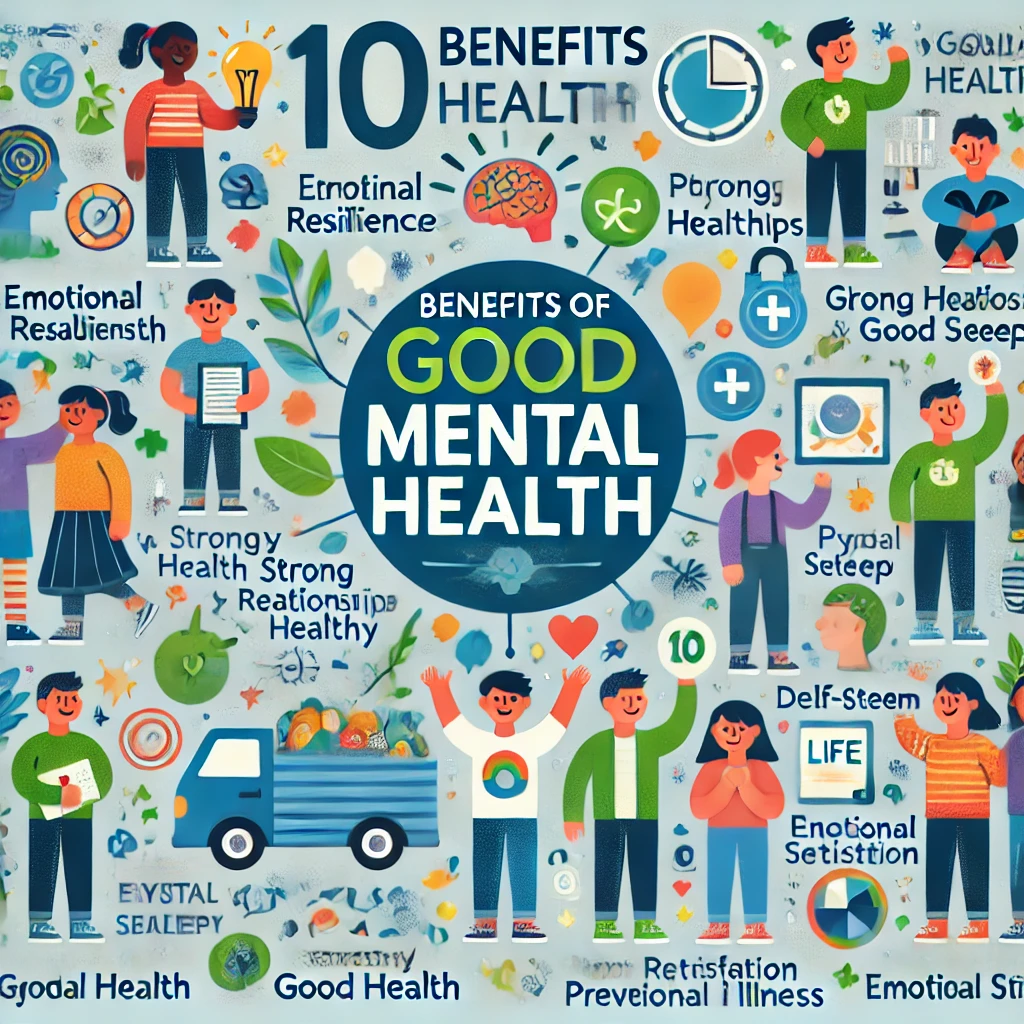
Good mental health enhances emotional balance, reduces stress, improves thinking, strengthens relationships, boosts confidence, increases productivity, protects physical health, builds resilience, raises life satisfaction, and lowers long-term mental health risks. Together, these benefits create a stable and fulfilling life.
Go To Hearing Voices CYMRU